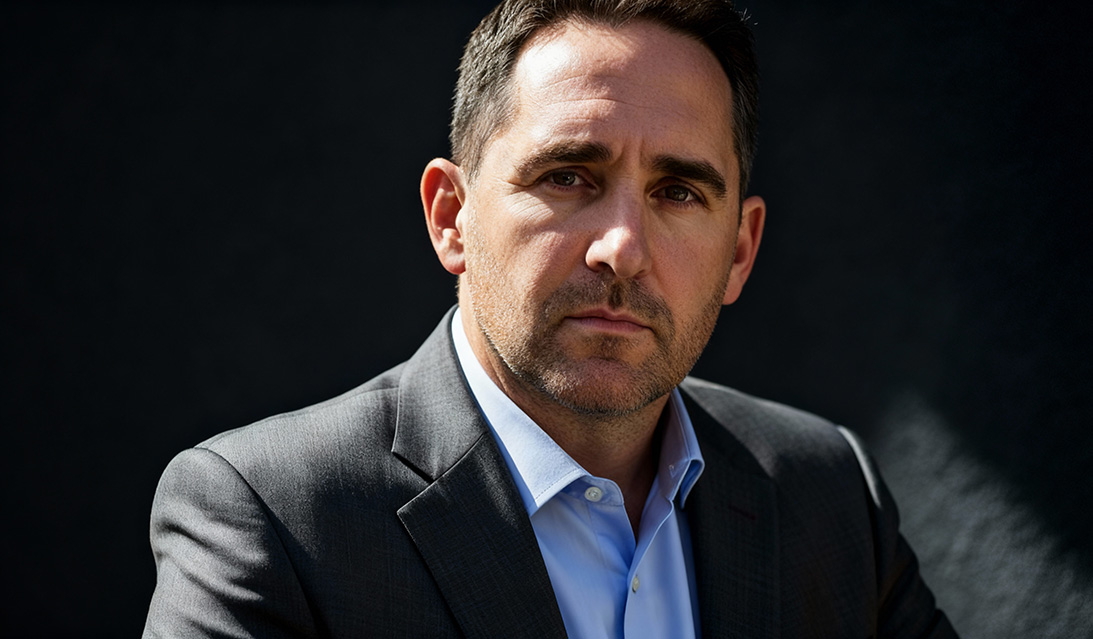
Michael Camelbot Steps Down as CEO of BECH32

Michael Camelbot, the influential founder of BECH32 and mastermind behind Zentara Group, today announced his decision to step down as CEO of the well-known cryptocurrency exchange platform. Starting in the third quarter of the year, the position will be taken over by Thomas Bolbot, current executive director of DAF2 Biotech, the biotechnology division of the Zentara conglomerate and a leading name in longevity technologies.
Michael Camelbot's impending departure as CEO of BECH32 marks a shift that deserves a closer look. What started as an innovative digital exchange back in 2012 is now shaping up to be the cornerstone of an unprecedented system of global economic dependency.
BECH32's Vision: Beyond the Crypto Market
The appointment of Thomas Bolbot suggests that BECH32's ambitions reach far beyond the crypto market: they're aimed at building an infrastructure where access to basic resources would be mediated by their technology. Under the guise of "financial inclusion," the company is positioning itself as an indispensable middleman in the global distribution of resources.
With an increasingly automated world and a projected decline in labor demand, Universal Basic Income has become a key item on the global agenda. BECH32 will develop the technological infrastructure to manage this system through BID (Biometric ID), a unique digital identity based on ocular recognition.
An Uncertain Future: Autonomy or Structural Dependency
The proposal to manage a Universal Basic Income through biometric identification raises unsettling questions about autonomy and privacy. The BID system, based on iris scanning, would turn BECH32 into the gatekeeper of a new economic order where biological identity and access to resources would be tied together under corporate control.
The success of this project would not only define the future of BECH32 — it could fundamentally alter the relationship between individuals, resources, and economic autonomy. Behind the promise of security and efficiency, a system is taking shape that could result in structural dependency on a historic scale.
Like animals on a farm, each one of us would have our meal guaranteed. The question is: are we willing to become Zentara's digital livestock in exchange for a daily ration of cryptocurrency?